MSCA-PF · Horizon Europe

Mapping the Living Heritage
of Antarctica

Antarctica is the only place on Earth without a native population or territorial demarcations. ALIGHT documents and maps the intangible cultural heritage that emerges from from dozens of Antarctic stations and international communities engaged in scientific research.

Antarctic Living Heritage Project

Antarctica is the only place on Earth without a native human population, territorial demarcations or urbanisation. As a result of the Antarctic Treaty (1959), research, cooperation and cohabitation of groups of different nationalities became determining factors of life on the continent.

Aiming to study and map the intangible heritage of Antarctica resulting from this particular configuration, ISCTE-CVTT and CRIA launched the ALIGHT project in July 2024, funded by the MSCA PF-Horizon Europe Programme and running until August 2026.
July 2024 — August 2026
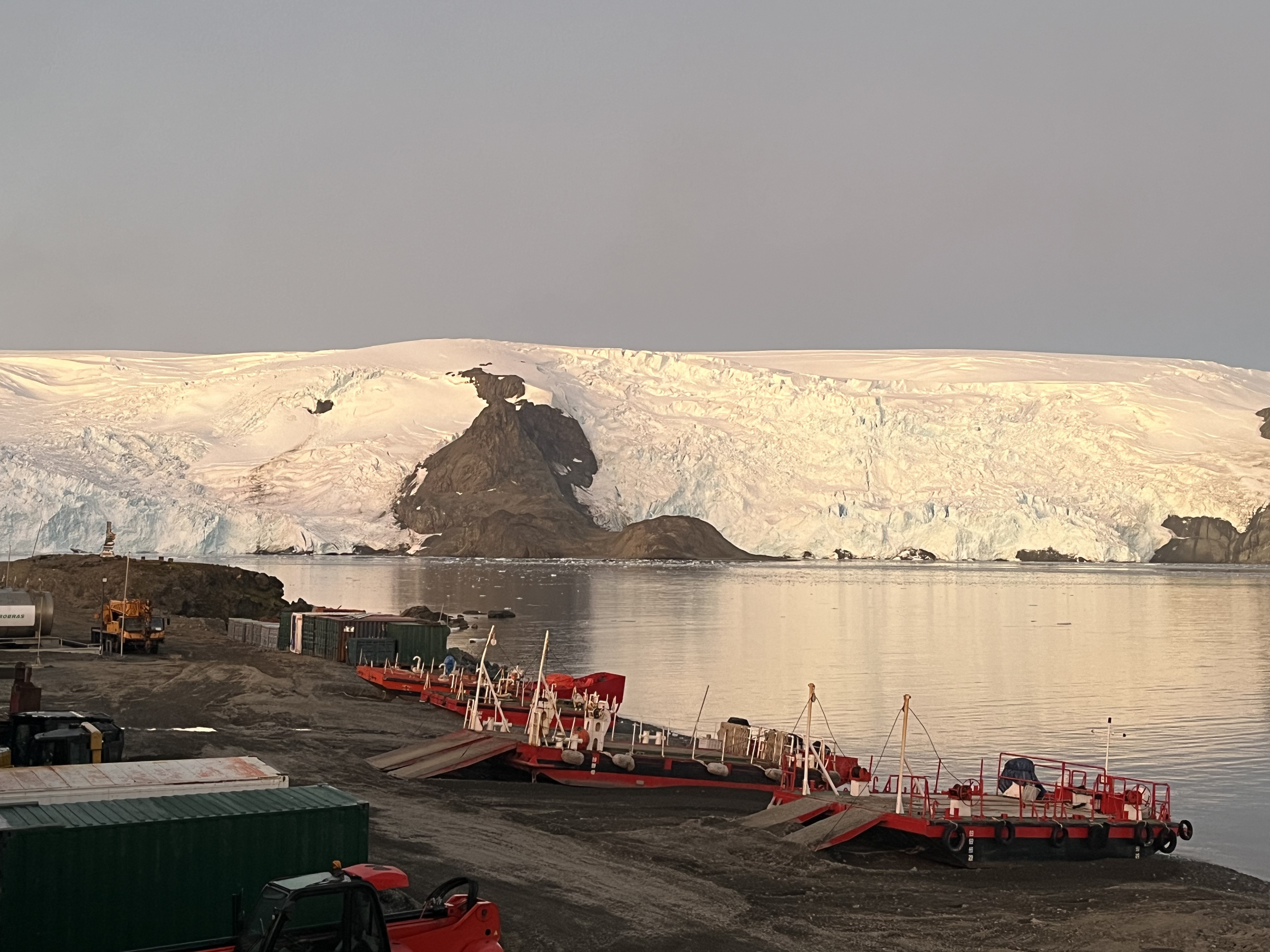
View from the balcony of the Brazilian Antarctic Station Comandante Ferraz, 2026
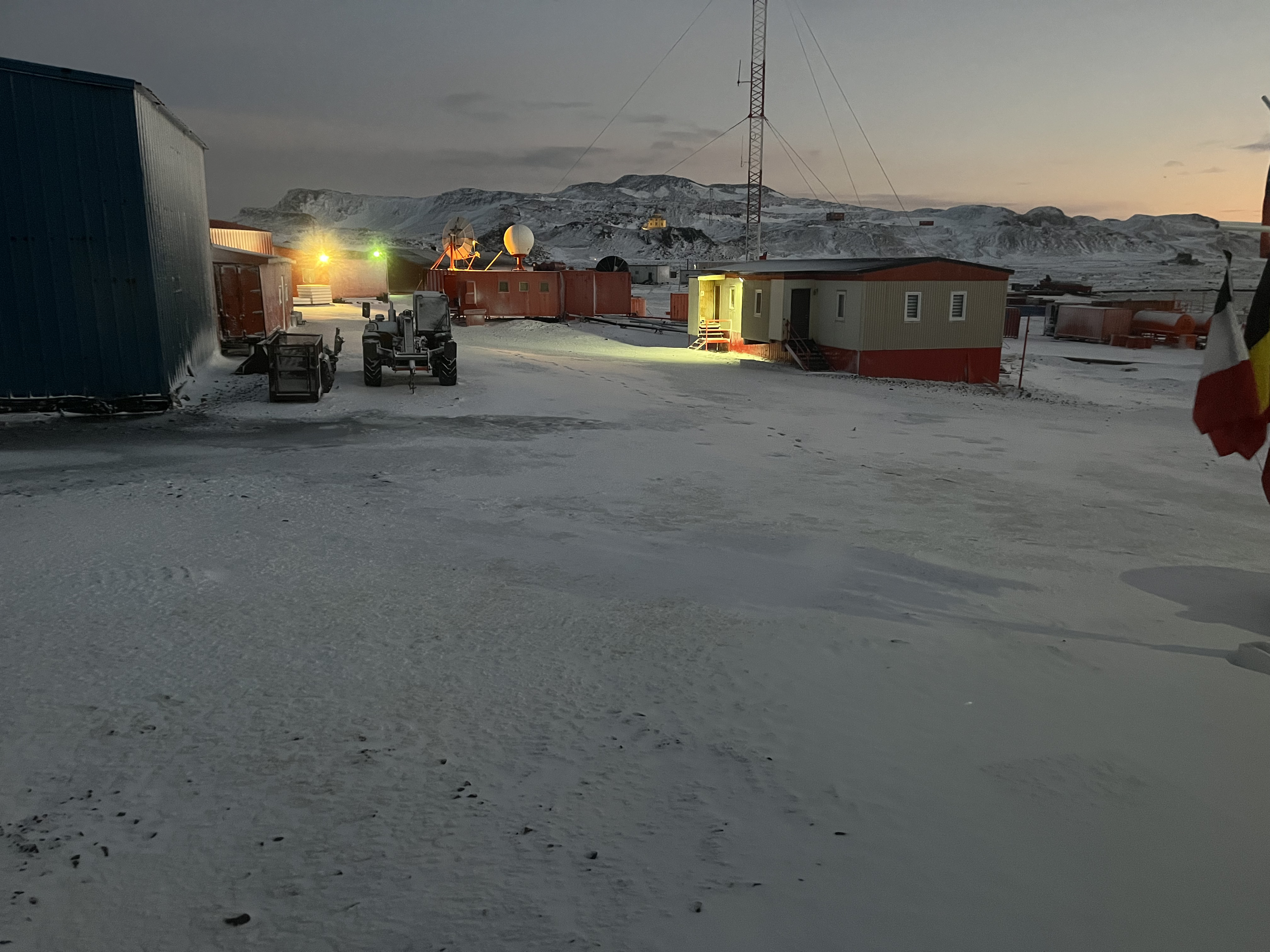
View of Julio Escudero Chilean Station, 2025
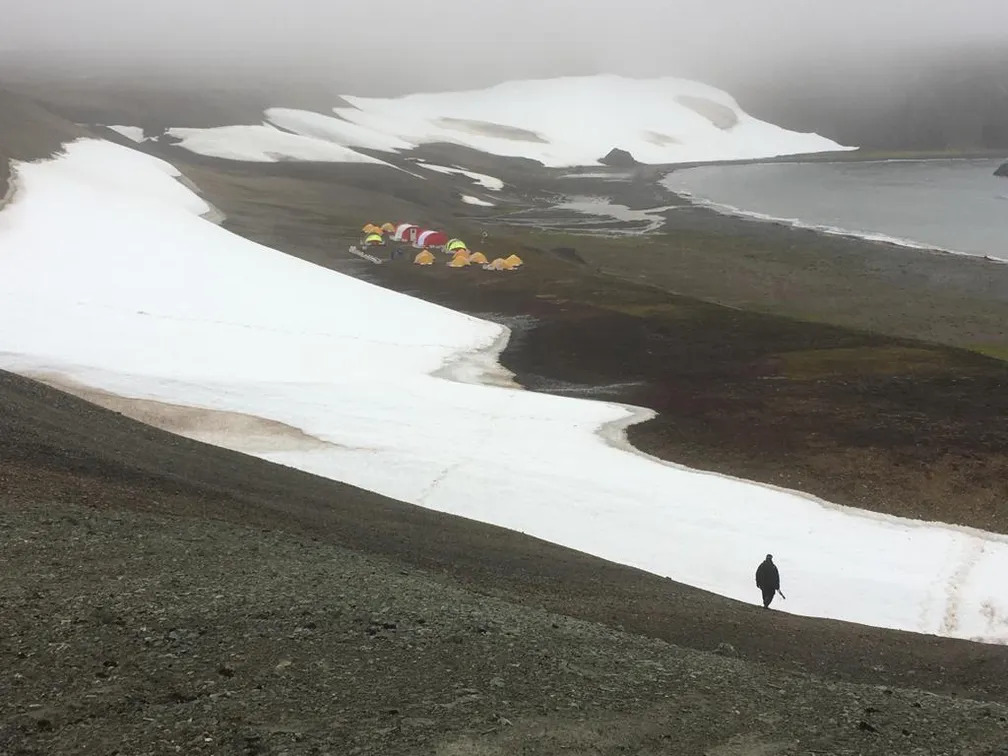
LEACH Camp at Byers Camp, 2017
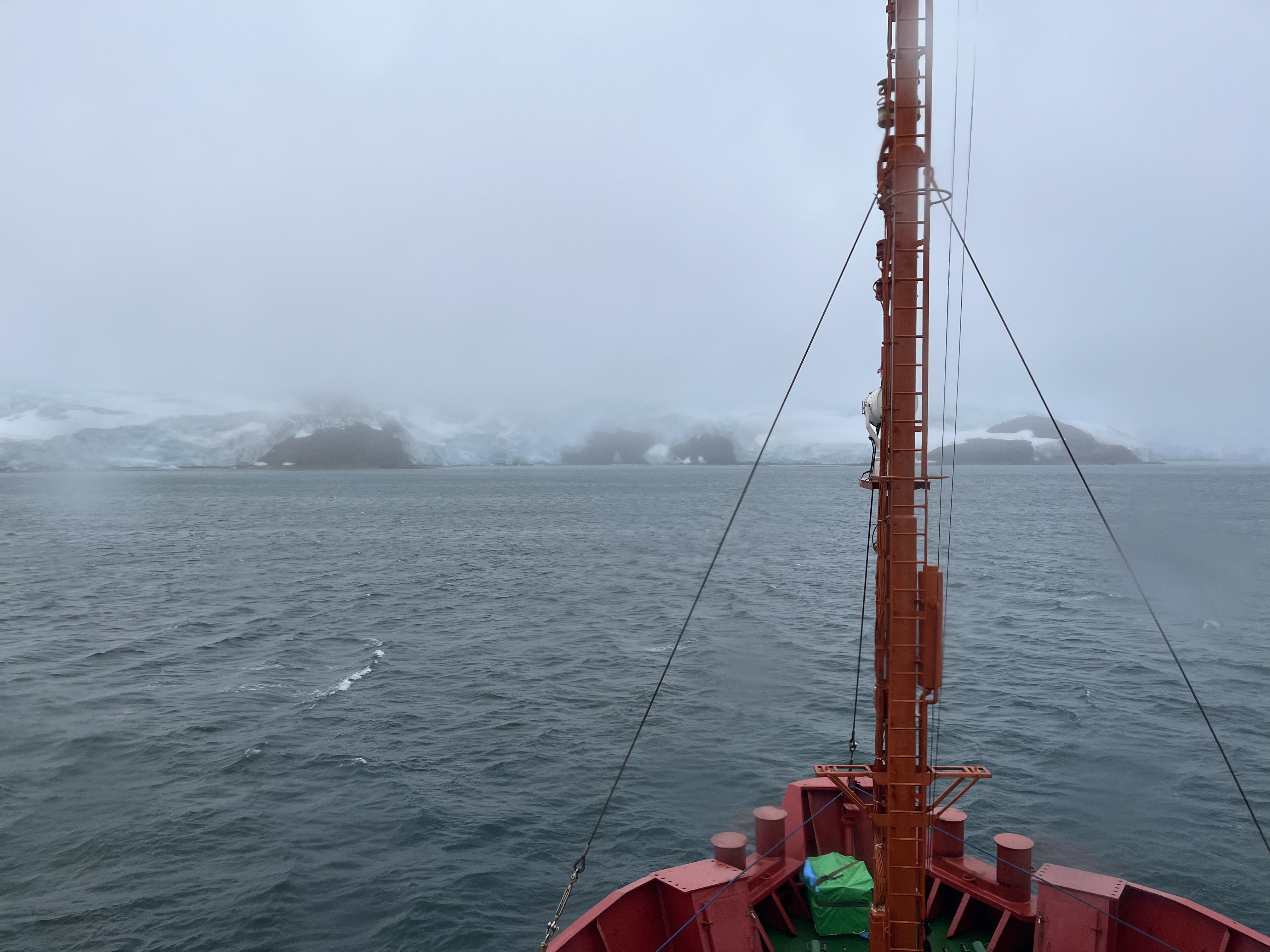
Arrival in Antarctica aboard the Brazilian Navy ship Ary Rongel, 2026
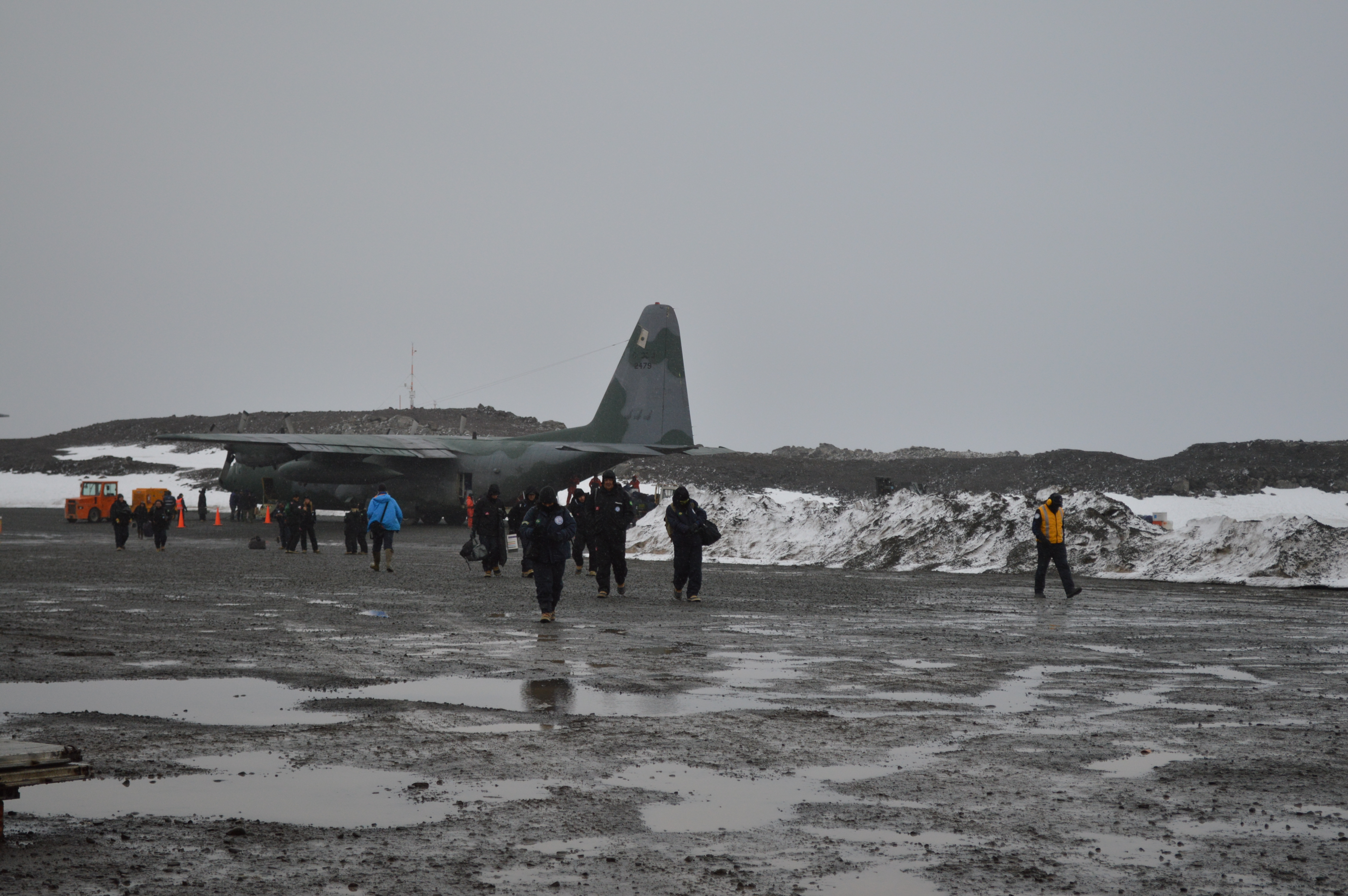
Chilean airfield on King George Island, 2014

Three Core Goals

ALIGHT works at the intersection of anthropology, heritage studies, and geospatial mapping to understand, protect, and communicate Antarctic culture.

Understand & Map

Understanding and mapping Antarctic culture through the lens of Living Heritage — identifying traditions, cultural expressions and social bonds that define life on the continent.

Raise Awareness

Increasing public knowledge about human presence in Antarctica — the researchers, traditions and living cultures that have quietly shaped the world's last frontier since 1959.

Inform Policy

Informing heritage protection policies addressed to Antarctica by producing evidence-based recommendations for the Antarctic Treaty System and international heritage organisations.

How the Map Came to Be

The idea of mapping Antarctic intangible heritage grew from over a decade of anthropological and archaeological fieldwork — and from a fundamental question: can a place without a native people have a living heritage worth protecting?

2010 — 2023

A Decade of Fieldwork

LEACH-UFMG conducts archaeological and anthropological expeditions to the South Shetland Islands, building an extensive dataset on human activities and cultural expressions in the region.

2023 — 2024

The Question of Living Heritage

Researchers at CRIA-ISCTE begin asking: what intangible heritage — traditions, collective memories, shared practices — has emerged from the international scientific community living in Antarctica?

July 2024

ALIGHT is Founded

CVTT-ISCTE and CRIA launch ALIGHT, funded by the Marie Skłodowska-Curie Actions Postdoctoral Fellowship under Horizon Europe, in partnership with LEACH-UFMG and Portugal's DGPC.

2025 — 2026

The Map Takes Shape

Anthropological fieldwork in Antarctica, participatory data collection, and the development of this geospatial platform to make Antarctic living heritage accessible to researchers and the public worldwide.

How We Collect & Map Heritage

01

New Fieldwork Data

Acquired during fieldwork in Antarctica through participatory observation and interviews with communities at Antarctic stations. Interactions with non-academic audiences also reveal social imaginaries about the continent.

02

Pre-existing Data

Research based on the LEACH dataset from a decade of archaeological expeditions, along with Antarctic Treaty recommendations, academic literature, scientific publications, and other sources depicting the cultural dynamics within Antarctic transient communities.

03

Heritage Mapping

Collection, interpretative analysis and geospatial mapping of the most significant cultural elements — documenting how cultural manifestations are rooted, transmitted and transformed in Antarctica.

Interactive Heritage Map of Antarctica

Geospatial inventory of intangible heritage records Open the Map →

Project Milestones

From preparatory research to two Antarctic fieldwork seasons, through international dissemination and final publication — every step brings us closer to a complete picture of Antarctic living heritage.

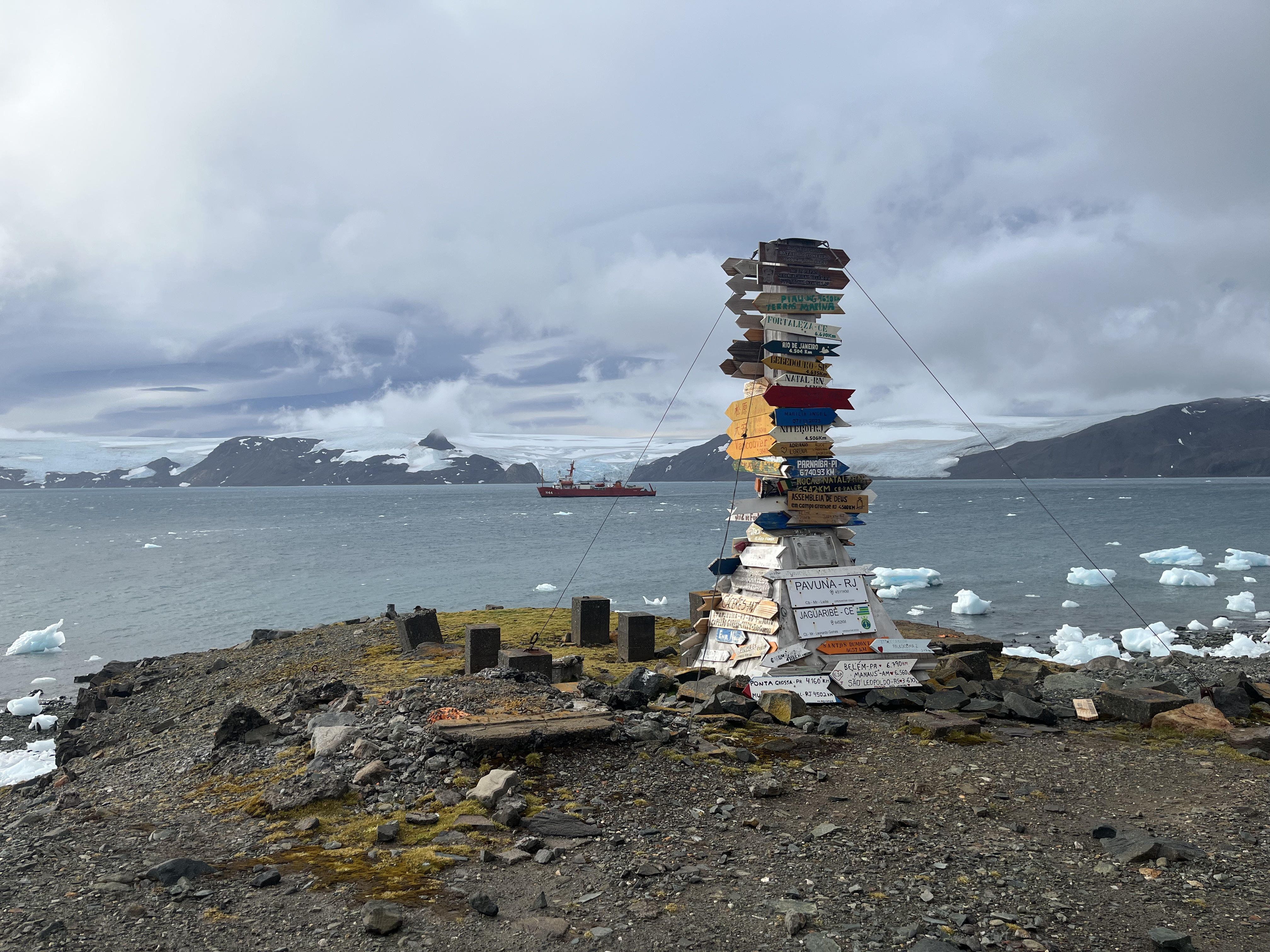
Signpost near the Brazilian Antarctic Station, 2026
  • Jul-Dec 2024 — Preparatory research and methodology development
  • Jan-Feb 2025 — First anthropological fieldwork in Antarctica
  • Mar 2025 — MSCA Science is Wonderful! Fair, Brussels (Belgium)
  • Nov-Dec 2025 — Research residency at LEACH-UFMG, Brazil
  • Jan-Feb 2026 — Second anthropological fieldwork in Antarctica
  • Jun 2026 — Completion of data analysis and preliminary reports
  • Jul-Aug 2026 — Internship at DGPC and conclusions of the project

Field Life in Antarctica

“A collection of moments capturing life on the ice — the everyday experience of the South Shetland Islands. Featuring images from ALIGHT fieldwork (2025-2026) and LEACH archaeological fieldwork (2014-2019).”

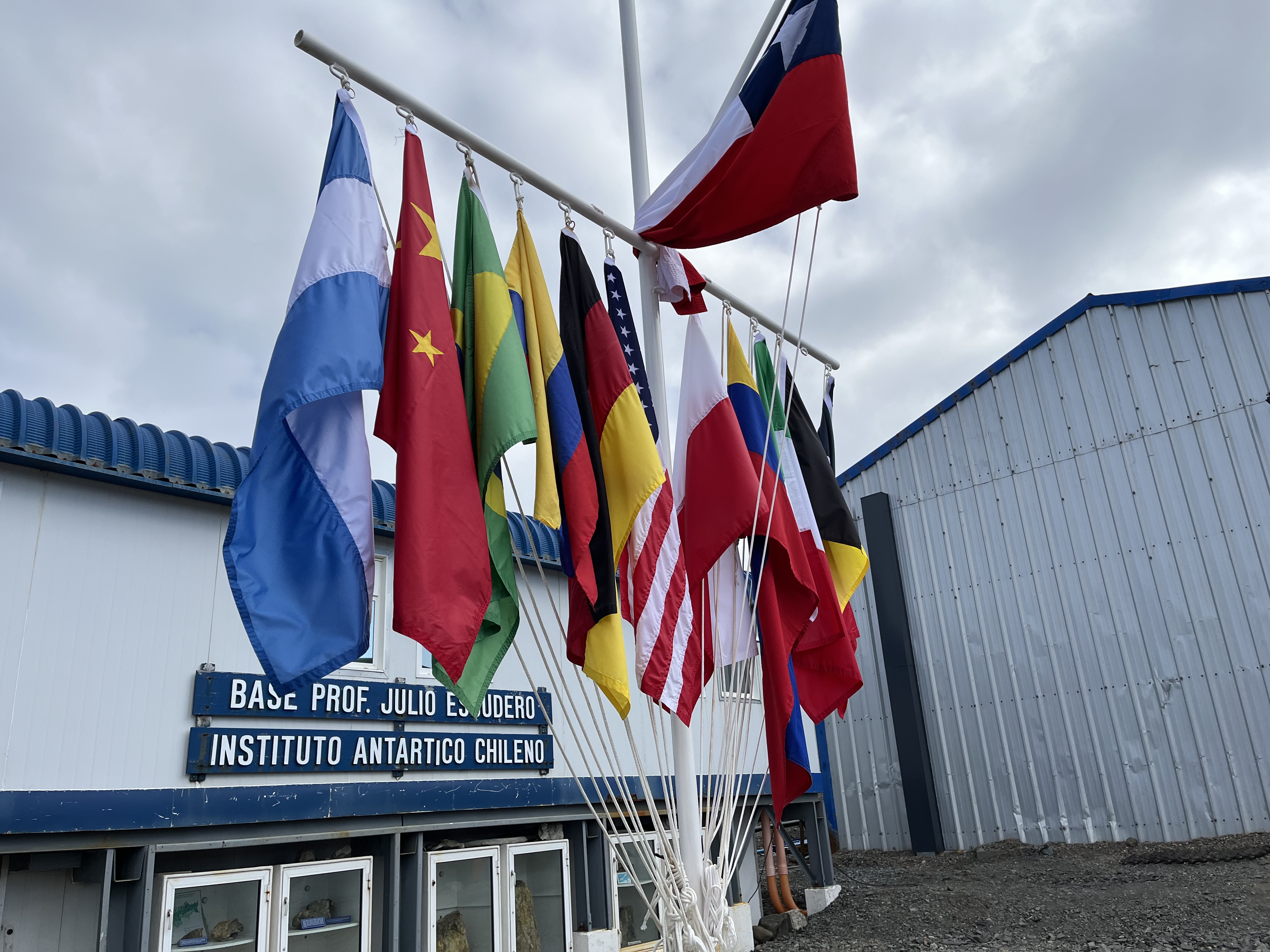
Nationalities at the Chilean Antarctic Station Professor Julio Escudero, 2025
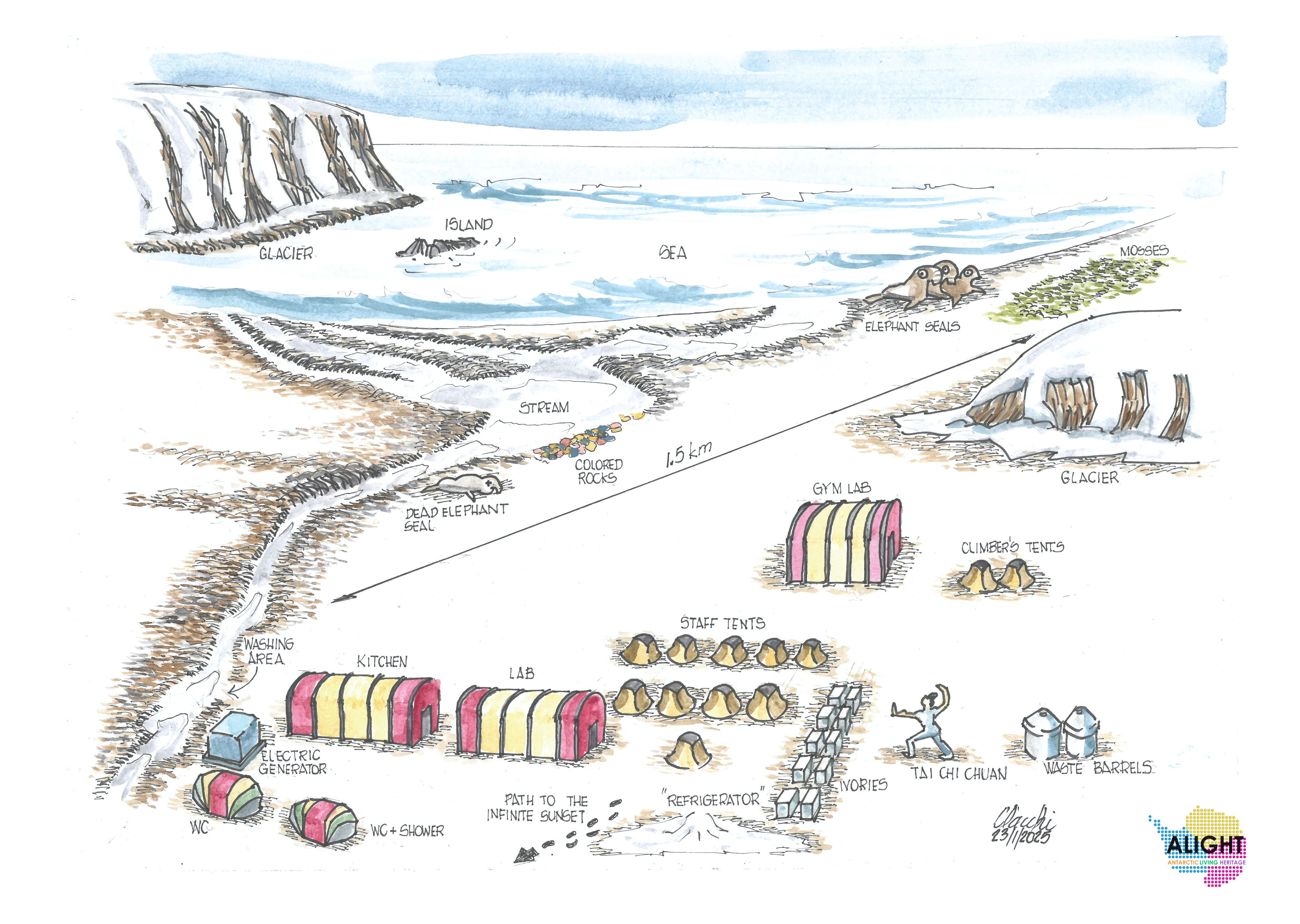
Imaginary camping map by Luara Stollmeier, 2025
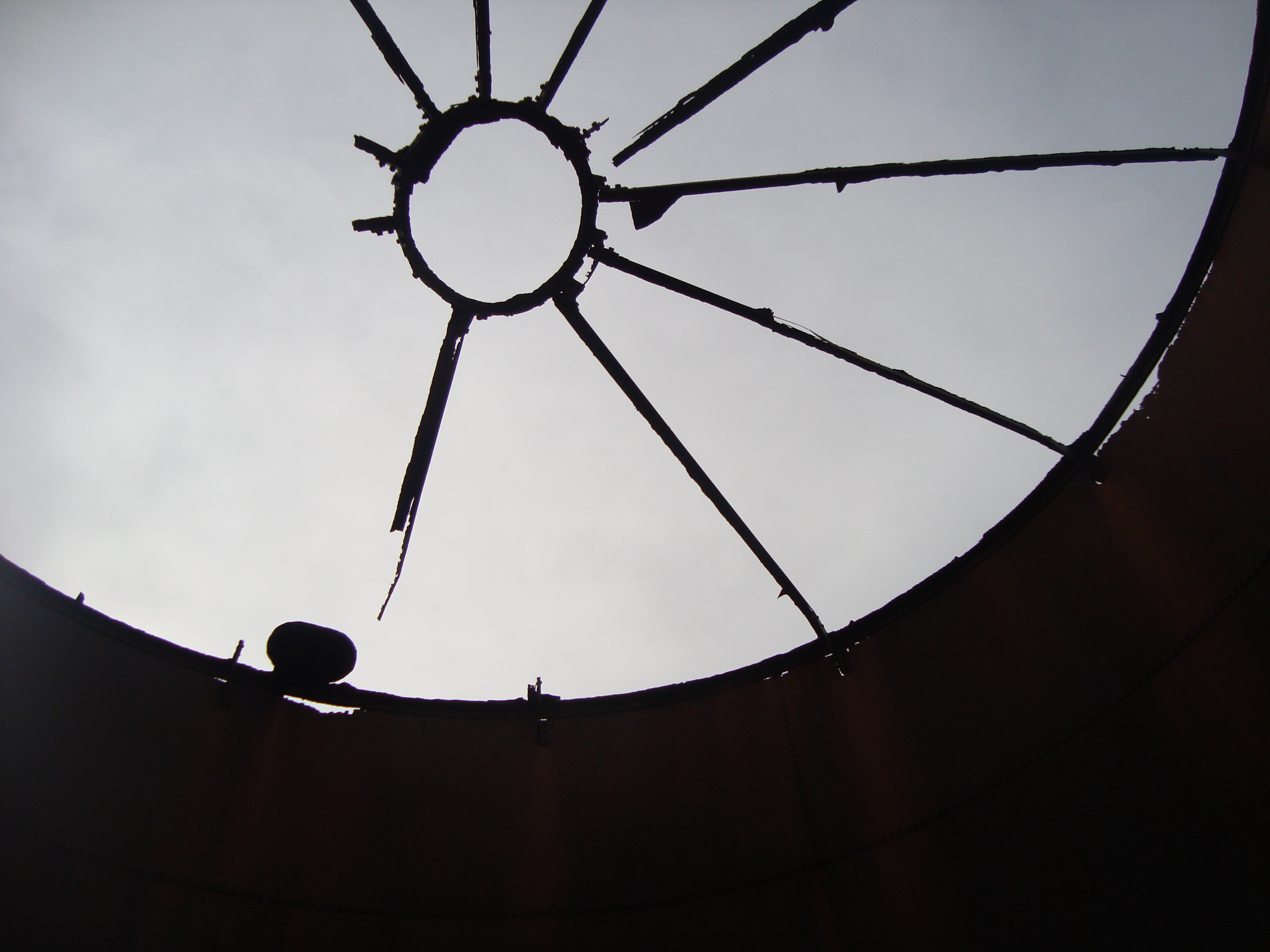
Former whaling station, Deception Island, 2017
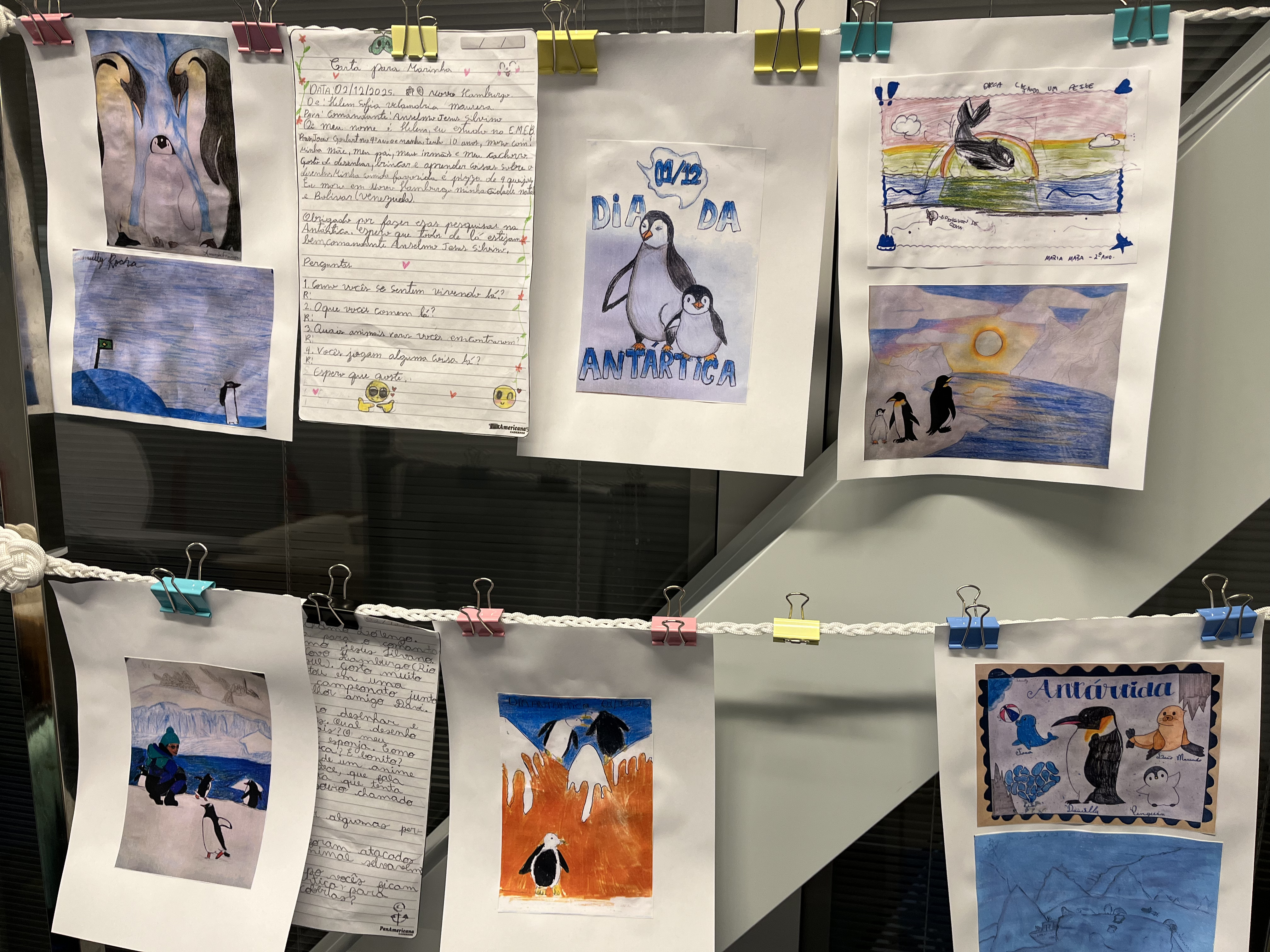
Drawings by young students from Brazil displayed at the Brazilian Antarctic Station Comandante Ferraz, 2026
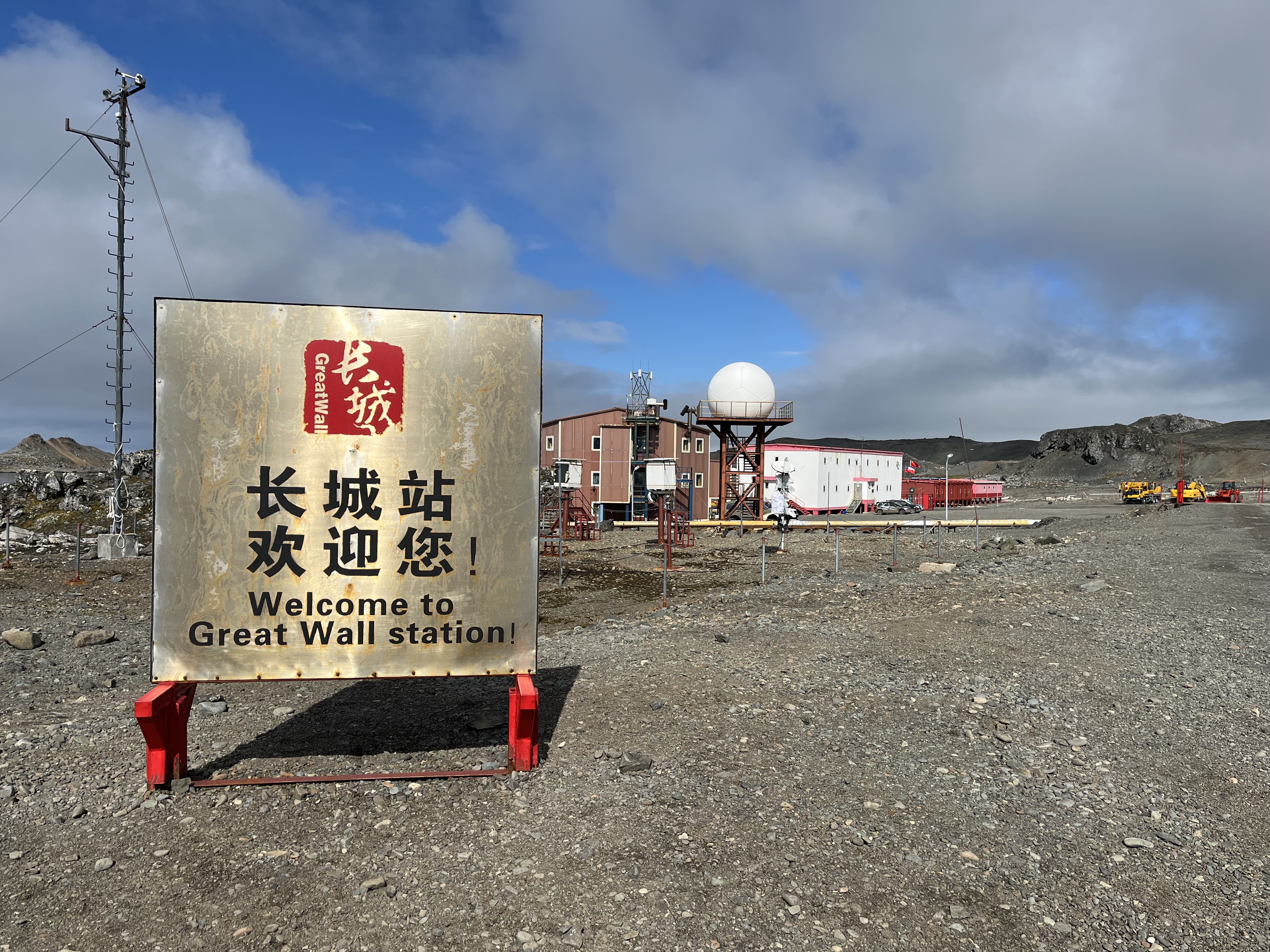
Chinese Antarctic Station Great Wall, King George Island, 2025
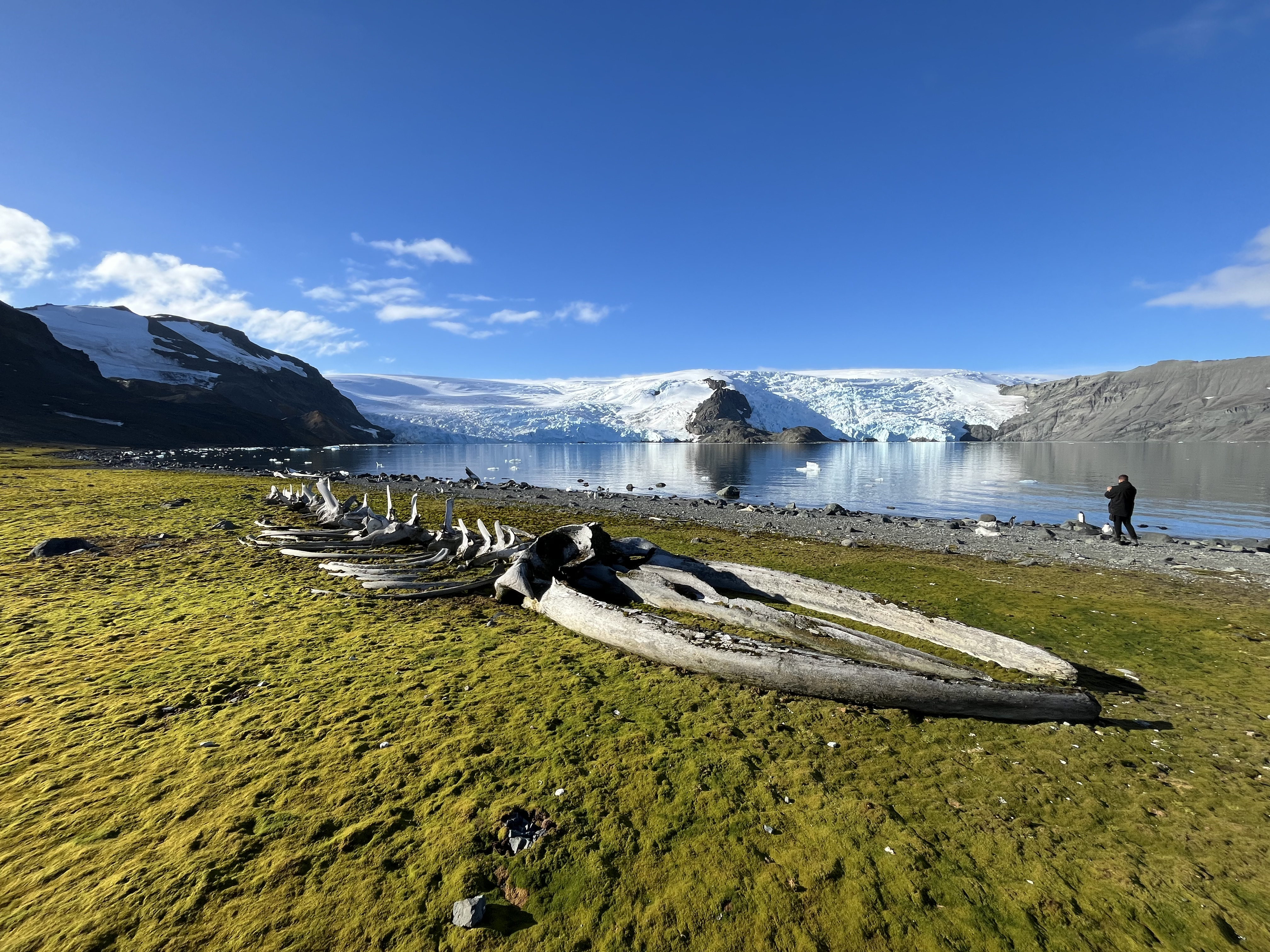
Whale skeleton assembled on Keller Peninsula by a Jacques Cousteau expedition in the 1970s, 2026
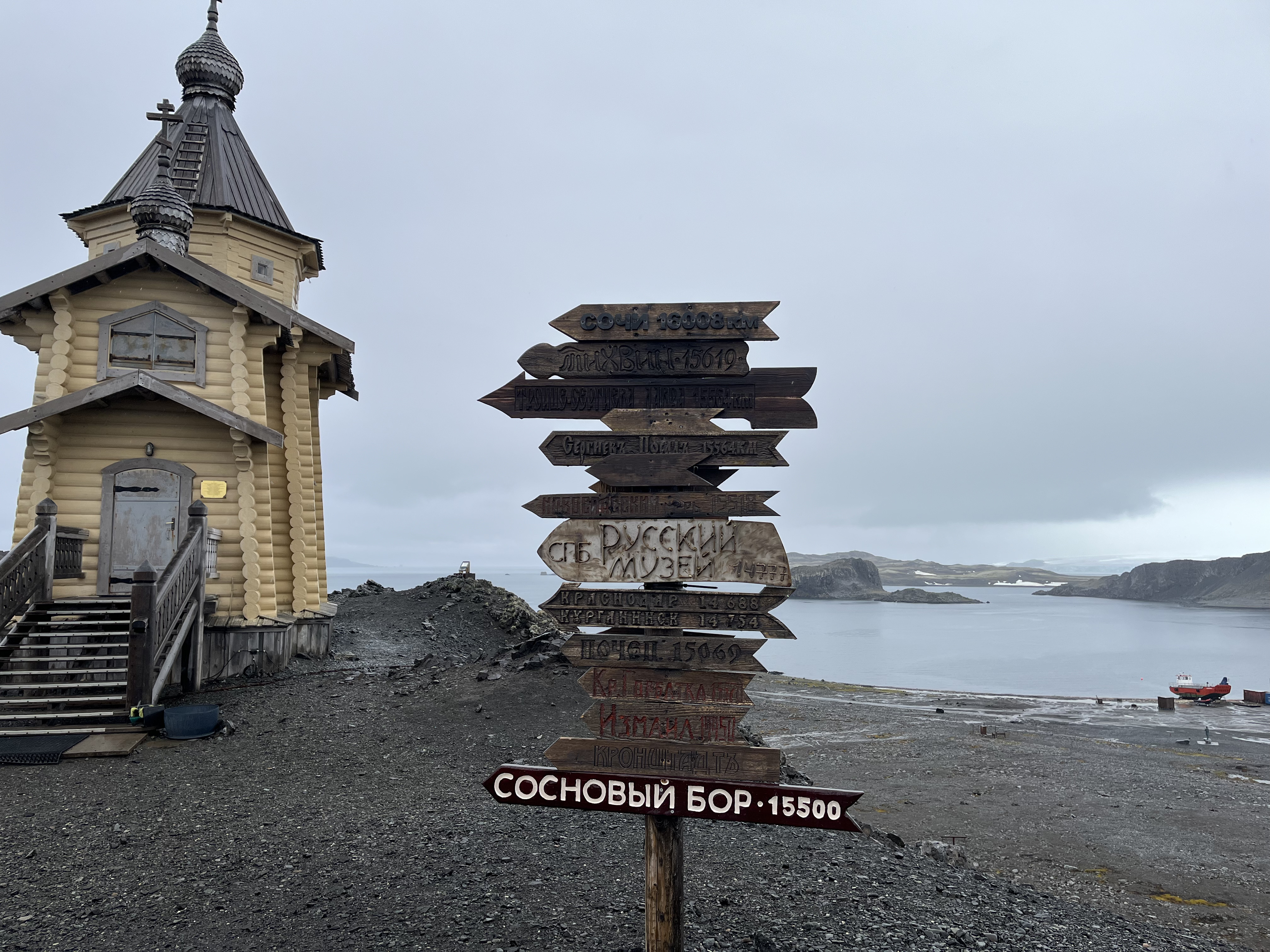
Trinity Church (Bellingshausen Russian Station), 2025
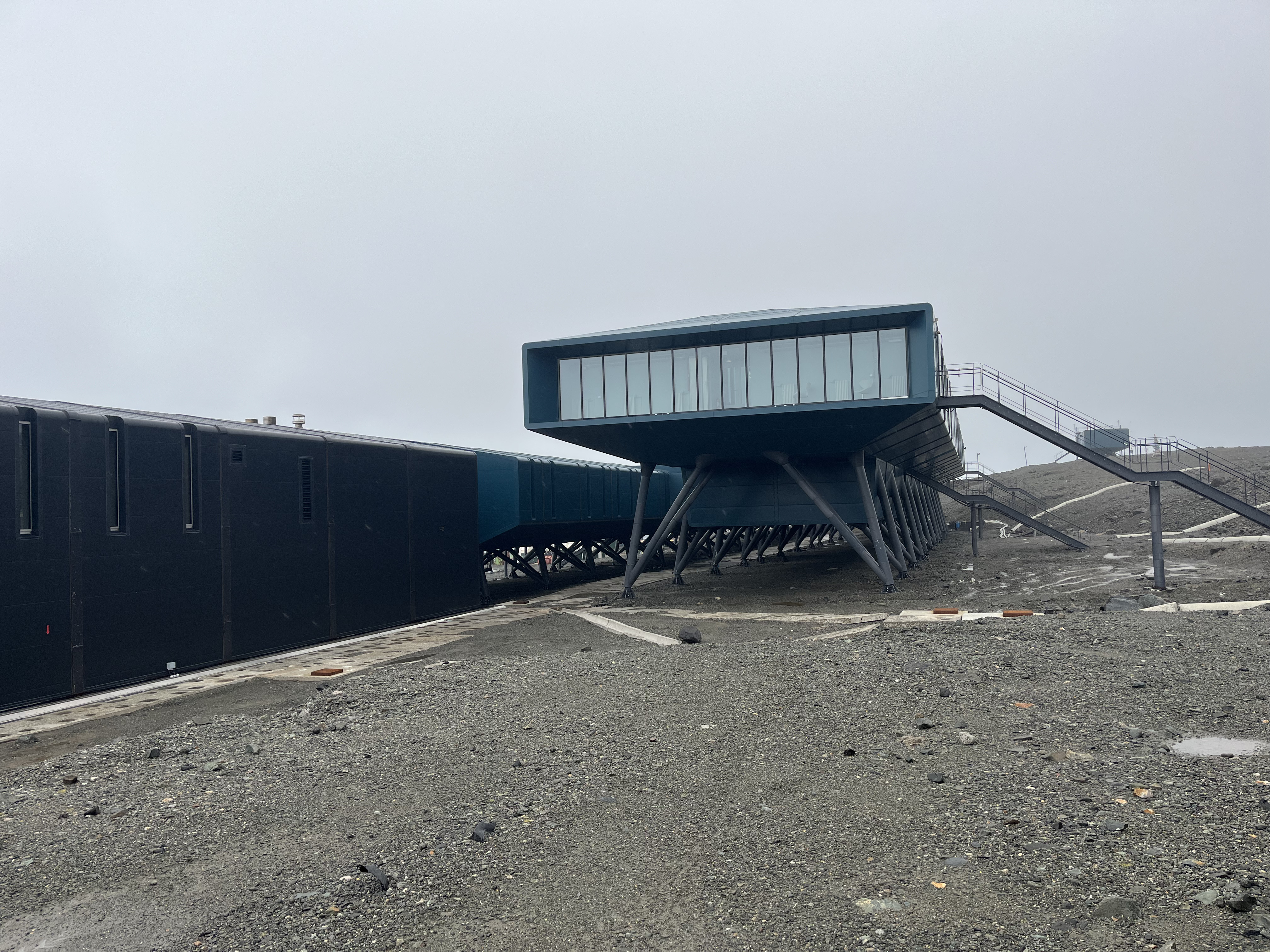
Architecture of the New Brazilian Antarctic Station Comandante Ferraz, 2026

Image Credits: Andrés Zarankin, Jimena Cruz, Fernanda Codevilla, Luara Stollmeier, Gerusa Radicchi. Livingston Island, South Shetland Island, 2014-2019.

Research Team

Gerusa Radicchi

Gerusa Radicchi

Principal Investigator (PI)

Researcher at CRIA-Iscte, PT

Vera Lazzaretti

Vera Lazzaretti

Supervisor

Researcher at CRIA-Iscte, PT

Collaborators

Andrés Zarankin — Professor at UFMG, BR

Silvia Cristina Dotta — Professor at UFABC, BR

Melisa Anabella Salerno — Researcher at CONICET, AR

Fernanda Codevilla Soares — Professor at UFPI, BR

Alex da Silva Martire — Professor at FURG, BR

Sandra Freiberger Affonso — Researcher at UFABC, BR

María Jimena Cruz — Researcher at CONICET, AR

Luara Antunes Stollmeier — Researcher at LEACH, BR

Ana Carolina Silva — Intern researcher at LEACH, BR

Isabel Bouzada — Intern researcher at LEACH, BR

Synergistic & Supportive Projects

Participating Institutions

Funded by the European Union under the Marie Skłodowska-Curie Actions Postdoctoral Fellowship (MSCA-PF 2023), part of the Horizon Europe programme.

CVTT-ISCTE
Center for Valorization and Technology Transfer — University Institute of Lisbon Host Institution
CRIA-ISCTE
Centre for Research in Anthropology
LEACH-UFMG
Laboratory of Antarctic Studies in Human Sciences — Federal University of Minas Gerais, Brazil
DGPC
Directorate-General for Cultural Heritage of Portugal

Funded by the Marie Skłodowska-Curie Actions Postdoctoral Fellowship (MSCA-PF) under the Horizon Europe Programme

Project page at CRIA  ·  CORDIS  ·  Grant agreement ID: 101153220